
Disasters and Ecosystem
Disasters are not random events but the result of hazards (like floods or earthquakes) combining with existing vulnerabilities in society, such as poverty, weak infrastructure, or poor governance. Because of this, disasters tend to expose weaknesses that were already present in a community’s social, economic, political, and environmental systems — and instead of simply revealing these problems, they often make them worse. This has serious consequences for development. Progress that took years to achieve — in education, infrastructure, technology, and social or political stability — can be quickly undone by a disaster, setting communities back significantly. (Impact of Disasters on Ecosystem)
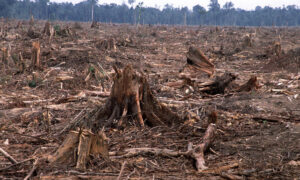
Our focus turns specifically to the environment, explaining that disasters cause real ecological harm: they degrade natural resources, disrupt ecological balance, slow economic growth, and delay improvements in people’s quality of life. Importantly, these environmental effects aren’t simple or short-lived — they unfold over both the short and long term, and they interact with human and ecological systems in complex ways, ultimately affecting people, ecosystems, and biodiversity together.
In essence: disasters are shaped by human vulnerability as much as natural hazards, and their true cost lies in how they deepen existing problems and cause lasting, interconnected damage to both society and the environment.
Environmental Vulnerability
“Environmental Vulnerability to Disasters” refers to the degree to which the natural environment — including ecosystems, land, water resources, and biodiversity — is susceptible to damage or disruption when a disaster occurs. Unlike human vulnerability, which focuses on how disasters affect people’s lives and livelihoods, environmental vulnerability looks specifically at how fragile or resilient natural systems are in the face of hazards like floods, storms, earthquakes, droughts, or wildfires.
Certain environmental conditions make ecosystems more vulnerable to disasters. For example, deforested areas are more prone to landslides and soil erosion; degraded wetlands lose their natural capacity to absorb floodwaters; coral reefs weakened by pollution are more easily destroyed by storms; and areas already affected by climate change — such as rising temperatures or shifting rainfall patterns — may struggle to recover from disturbances. In these cases, environmental degradation doesn’t just result from disasters — it also determines how severely a disaster will impact the ecosystem in the first place.
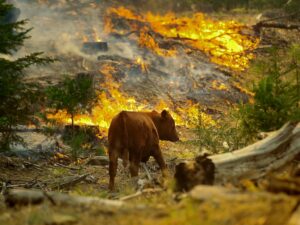
Once a disaster strikes, environmentally vulnerable areas often suffer disproportionately severe and long-lasting damage. This can include loss of biodiversity, contamination of soil and water, destruction of habitats, and disruption of ecological processes like pollination or nutrient cycling. Because ecosystems are interconnected, damage in one area — such as a river system or forest — can have cascading effects on surrounding environments and the human communities that depend on them.
Environmental Management and Disaster Reduction
Environmental management refers to the deliberate protection, restoration, and sustainable use of natural resources and ecosystems. When done effectively, it strengthens the environment’s natural ability to absorb and buffer hazards, which in turn reduces the severity of disasters. For example, healthy forests stabilize soil and prevent landslides, mangroves and wetlands absorb storm surges and reduce flooding, and well-managed river systems can control water flow and minimize flood damage. By maintaining these natural defenses, environmental management essentially reduces the hazard side of the disaster equation before it even reaches vulnerable communities.
Beyond prevention, environmental management also reduces vulnerability by promoting sustainable land use and resource practices. Practices such as reforestation, soil conservation, controlled urban development, and wetland restoration prevent the kind of environmental degradation that makes communities more exposed to disasters in the first place. For instance, avoiding construction on floodplains or steep deforested slopes reduces the risk of people and infrastructure being directly in harm’s way when a hazard occurs. In this way, environmental management addresses root causes of vulnerability rather than just responding after damage is done.
Environmental management also plays a critical role in disaster recovery and long-term resilience. After a disaster, restoring damaged ecosystems — such as replanting forests, rehabilitating water sources, or rebuilding degraded coastlines — helps communities recover more effectively and reduces the risk of repeated disasters in the future. Additionally, environmental monitoring and early warning systems (such as tracking deforestation, water levels, or climate patterns) allow for better disaster preparedness, giving communities time to respond before a hazard turns into a full-scale disaster.
Factors Destroying the Ecosystem
Ecosystems can be damaged or destroyed by a combination of natural processes and human activities, often working together to accelerate degradation. Below are the major factors responsible:
1. Deforestation and Habitat Destruction
Clearing forests and natural habitats for agriculture, logging, mining, or urban development removes the plant and animal life that sustains an ecosystem. This leads to loss of biodiversity, soil erosion, disrupted water cycles, and reduced capacity of the land to absorb carbon or regulate climate. Habitat destruction is one of the leading causes of species extinction worldwide.
2. Pollution (Air, Water, and Soil)
Industrial waste, chemical runoff, plastic pollution, and excessive use of pesticides and fertilizers contaminate ecosystems. Water pollution harms aquatic life and disrupts food chains, air pollution damages plant life and contributes to climate change, and soil pollution reduces land fertility, weakening the foundation of terrestrial ecosystems.
3. Climate Change
Rising global temperatures, changing rainfall patterns, and increased frequency of extreme weather events (droughts, storms, heatwaves) put immense stress on ecosystems. Many species cannot adapt quickly enough to these changes, leading to habitat shifts, coral bleaching, glacier melting, and disruptions in migration and breeding patterns.
4. Overexploitation of Natural Resources
Overfishing, overhunting, excessive logging, and unsustainable water extraction deplete resources faster than ecosystems can replenish them. This disrupts the natural balance between species and can lead to the collapse of entire food webs — for example, overfishing can cause a decline in predator species, which then affects the population balance of prey species.
5. Invasive Species
The introduction of non-native species — whether intentional or accidental — can disrupt local ecosystems. Invasive species often outcompete native species for resources, introduce new diseases, or lack natural predators, leading to a decline or extinction of native flora and fauna.
6. Urbanization and Industrialization
The expansion of cities and industries leads to habitat fragmentation, increased pollution, and higher resource consumption. Construction of roads, buildings, and factories destroys natural landscapes and disrupts wildlife corridors, isolating populations and reducing genetic diversity.
7. Agricultural Expansion and Poor Land Use
Unsustainable farming practices — such as monocropping, excessive use of chemical fertilizers, and poor irrigation methods — degrade soil quality and reduce biodiversity. Converting natural land into agricultural fields also destroys habitats that many species depend on.
8. Natural Disasters
Events such as wildfires, floods, earthquakes, and volcanic eruptions can cause immediate and severe damage to ecosystems. While ecosystems often have some natural resilience to recover from these events, increased frequency and severity — often linked to human-induced climate change — can prevent full recovery.
Impact of Ecosystem Destruction
1. Loss of Biodiversity
When ecosystems are damaged, many plant and animal species lose their natural habitats, food sources, and breeding grounds. This often leads to population decline or extinction of species, reducing overall biodiversity. Since ecosystems rely on complex interactions between species, the loss of even one species can disrupt the entire food chain and ecological balance.
2. Disruption of Ecological Balance
Ecosystems function through a delicate balance of predator-prey relationships, nutrient cycles, and energy flow. Degradation — whether through deforestation, pollution, or invasive species — disturbs this balance, often causing uncontrolled growth of certain species while others decline, leading to long-term instability within the ecosystem.
3. Climate Change Acceleration
Healthy ecosystems, especially forests and oceans, play a crucial role in absorbing carbon dioxide and regulating climate. When ecosystems are destroyed, this natural carbon absorption capacity is lost, contributing to higher greenhouse gas concentrations and accelerating global climate change.
4. Soil Degradation and Erosion
The loss of vegetation cover due to deforestation or unsustainable agriculture leaves soil exposed to wind and water erosion. This reduces soil fertility, making land less productive for agriculture and increasing the risk of landslides and desertification.
5. Water Cycle Disruption
Ecosystems, particularly forests and wetlands, help regulate the water cycle by absorbing rainfall, filtering water, and maintaining groundwater levels. Their degradation can lead to reduced water availability, increased flooding, or drought conditions, affecting both natural systems and human water supplies.
6. Impact on Human Livelihoods
Many communities, especially in rural and developing regions, depend directly on ecosystems for food, water, medicine, and income through agriculture, fishing, or forestry. Ecosystem degradation threatens these livelihoods, often deepening poverty and food insecurity.
7. Increased Vulnerability to Natural Disasters
Degraded ecosystems lose their natural ability to buffer against hazards. For example, without mangroves or wetlands, coastal areas become more vulnerable to storm surges and flooding; without forests, hillsides become prone to landslides. This increases both the frequency and severity of natural disasters.
8. Economic Costs
The degradation of ecosystems leads to significant economic losses, including reduced agricultural yields, higher costs for water treatment, loss of fisheries, and expenses related to disaster recovery. Additionally, industries like tourism that depend on natural landscapes can suffer major setbacks.
Related Posts:
- Common Terminologies used in Disaster Risk Management
- Introduction to Disaster and Disaster Management
- Characteristics of Disaster
- Types of Disasters Based on Their Causes/Stimuli
- Classification of Disasters Based on Categories
- Sudden Catastrophic Impacts of Disasters
- Long-Term Impacts and Consequences of Disaster
- Financial Management of Disaster Impacts
- Effect of Disasters on Human Life
- Effect of Disasters on Animal Life